A Few Tips
Georgia has grown up 4WDing and 4WD training since she was a kid as her family owns a 4WD training business in South Australia. Back in the 90s, the family had Australia’s very first 4WD and camping show – Beyond The Bitumen (hence the name). She is passionate about 4WDing, loves showing people how to get the most out of their 4WDs whilst getting them out of bogs along the way.
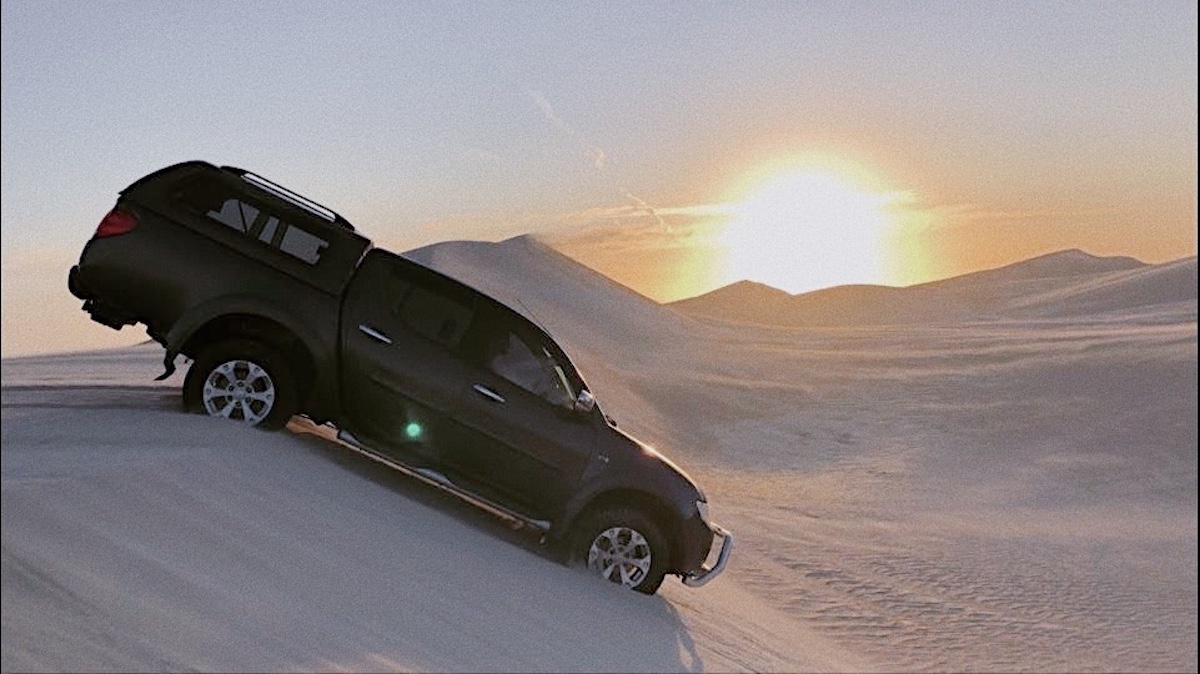
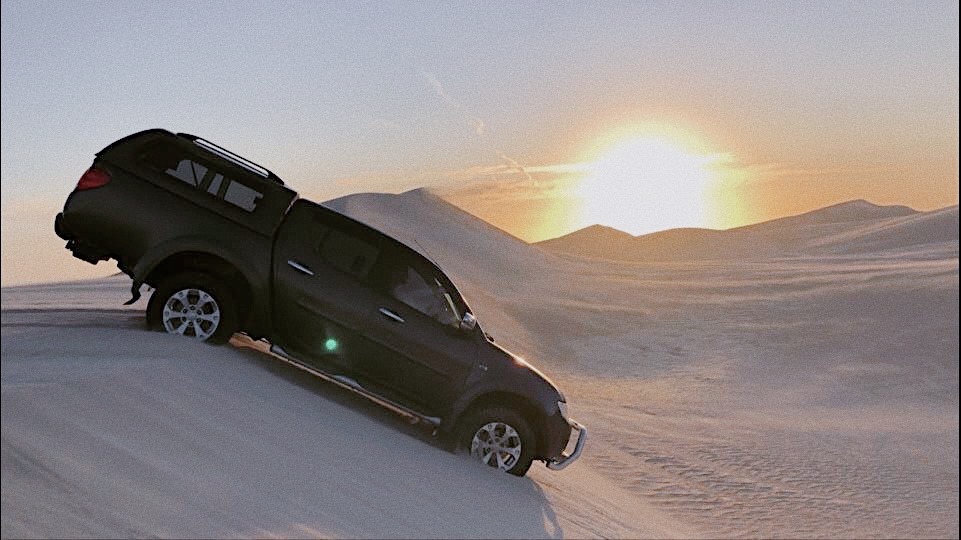
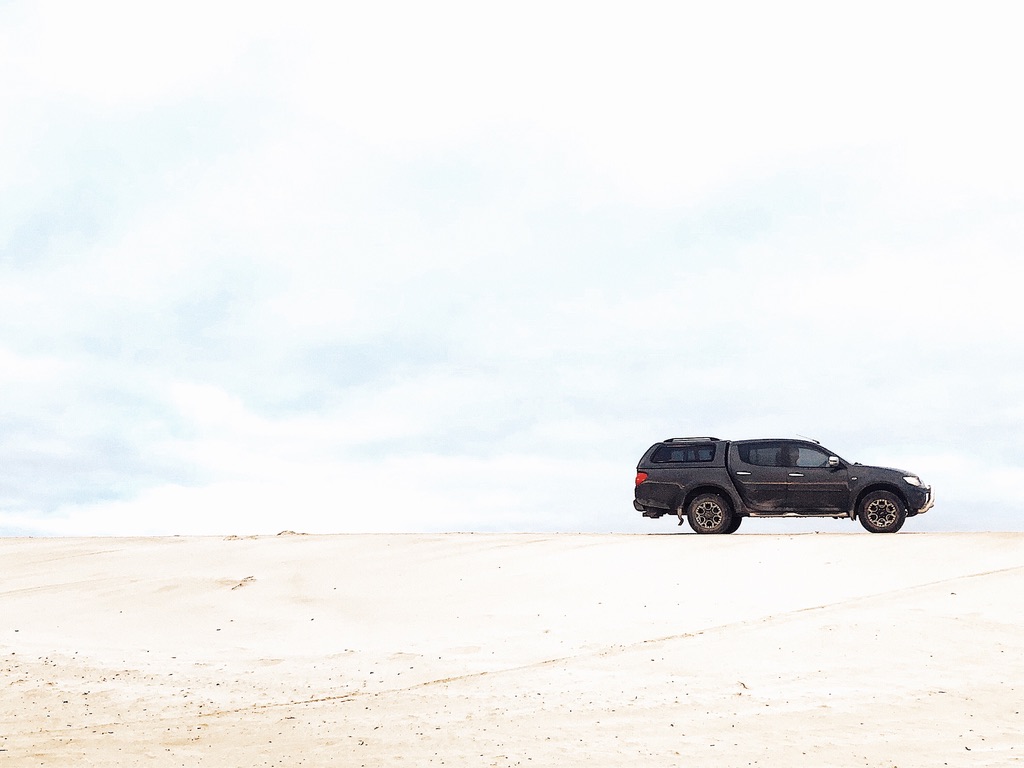
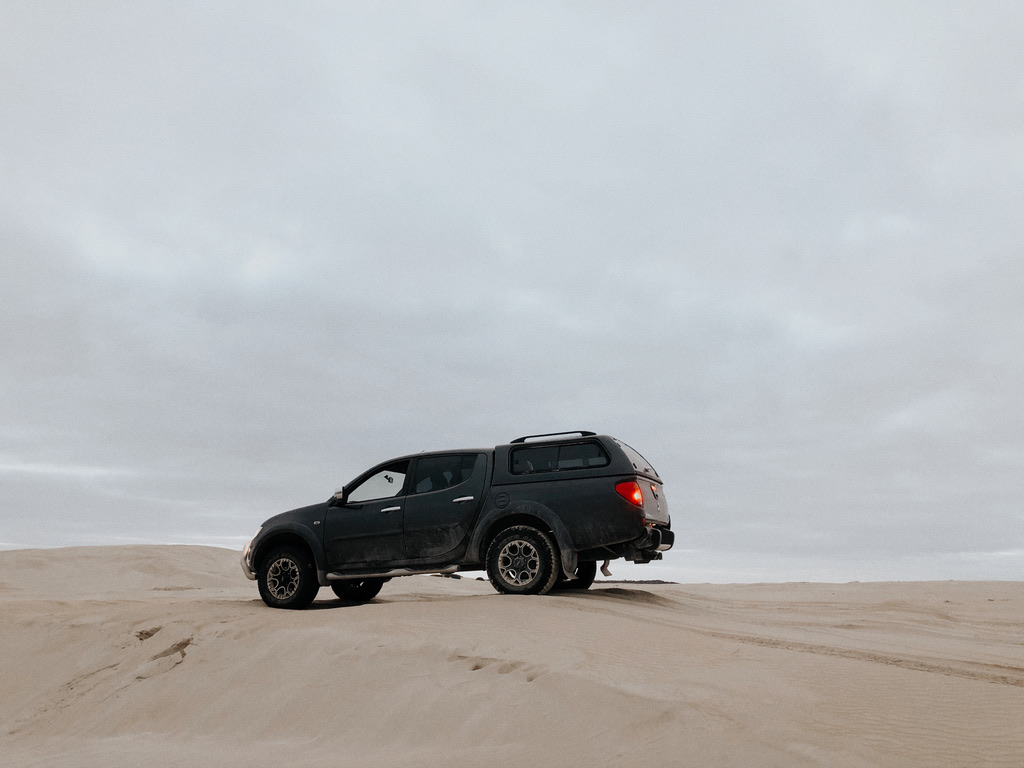
Driving through dunes is always fun but it can be extremely dangerous without knowing a few tips.
1. Be aware of what’s happening around you; oncoming vehicles, kids and dirt bikers. When approaching the crest of a dune make sure you slow down in case someone is approaching on the other side to avoid a collision.
2. Be sure to pay attention to the colour of the sand as it is indicative of the firmness. Darker sand tends to be firmer whilst lighter colour sands are soft and trickier. When traversing dunes always try to drive down rather than across as this eliminates the potential of the car rolling over which can be fatal.
3. Dune environments can be incredibly deceptive, they can blend and at first look easy to conquer initially however the top could be an unexpected surprise – a razorback with a sheer drop off that could send the car sideways. It also helps to use a marker or tree as a reference point to avoid getting lost.

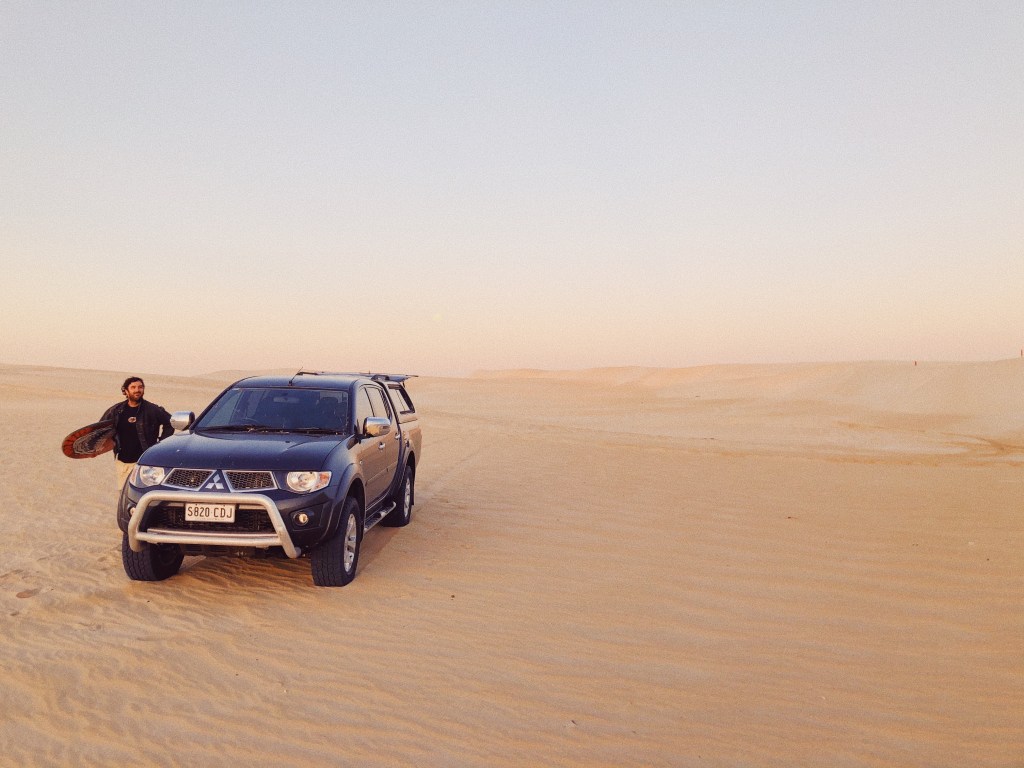
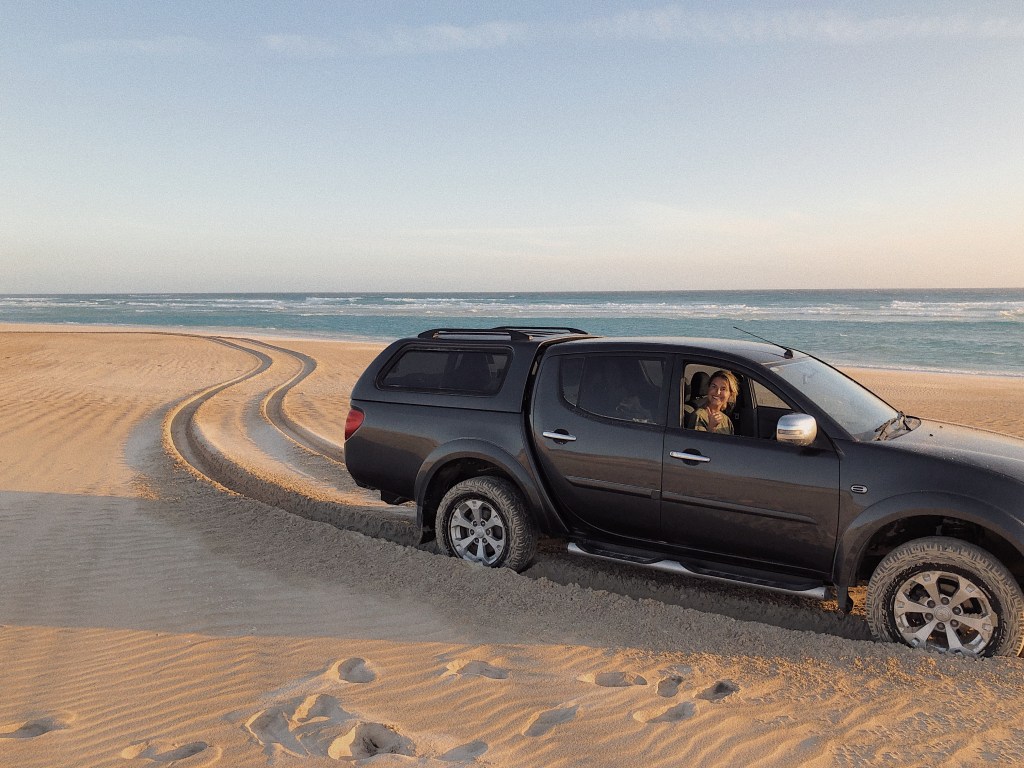

4. Be sure to pay attention to the colour of the sand as it is indicative of the firmness. Darker sand tends to be firmer whilst lighter colour sands are soft and trickier. When traversing dunes always try to drive down rather than across as this eliminates the potential of the car rolling over which can be fatal.
5. As with all sand driving, you want to put the car in the right range of gears (low or high), utilising the vehicles optimum torque band. For diesels this could be 1,500-2,500 rpm or petrols 2,500-3,500 rpm. This is going to help the car push through the sand rather than sinking. When driving in sand it always helps to lower tyre pressure, in soft sand we run our tyres at 18 PSI and in some instances even go lower if required. This increases the tyres footprint, reducing the chances of getting bogged. We will talk about how to properly recover your vehicle when bogged in sand in an upcoming post.
6. Always, always stick to areas specified for driving. Do not drive over vegetation. Vegetation plays an integral role in stabilising dune environments which are habitats for highly specialised flora and fauna including rare and endangered species. 🌱


 Beyond the Bitumen